Welcome to Boulder
Living in Boulder
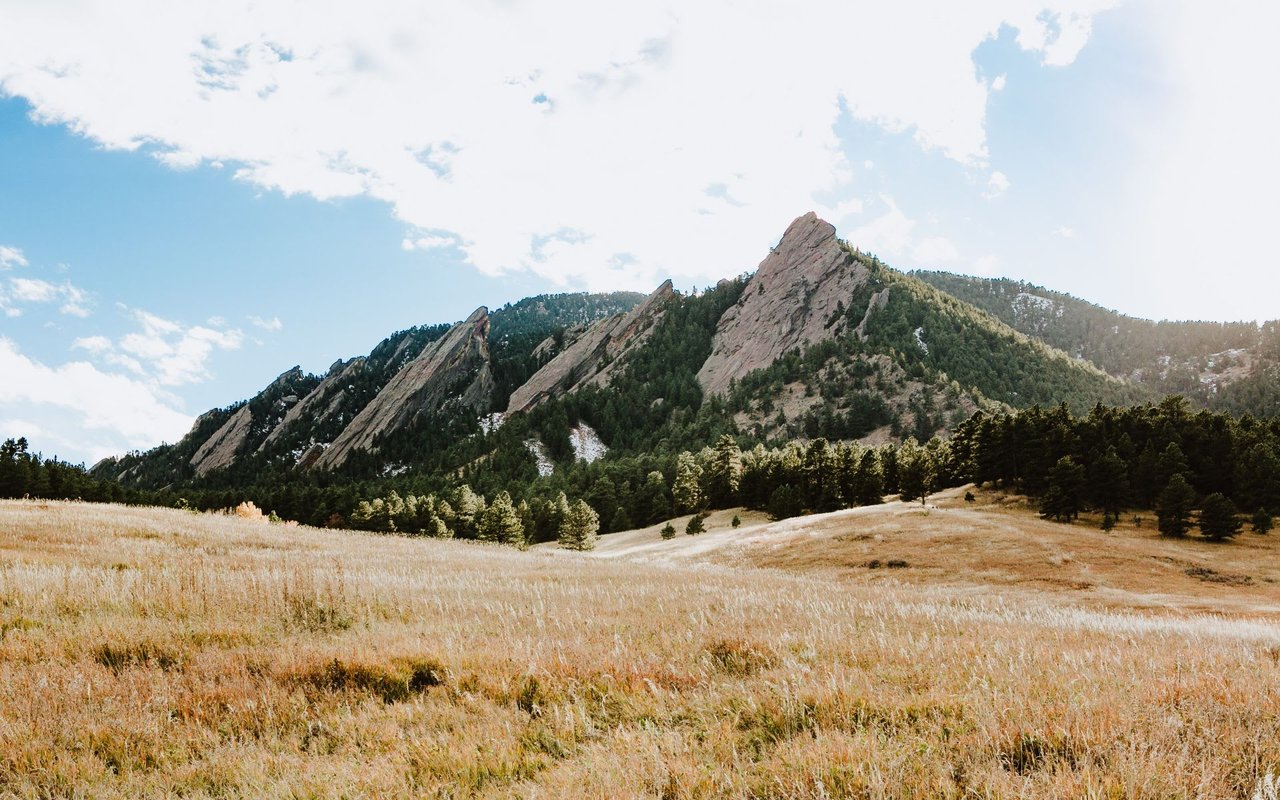
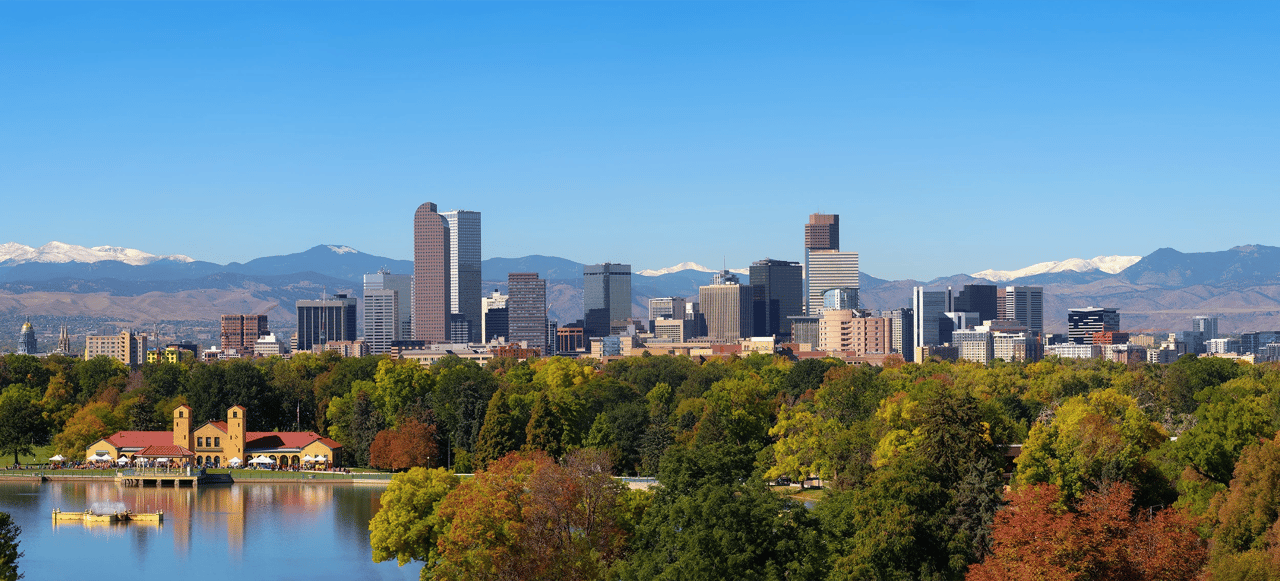
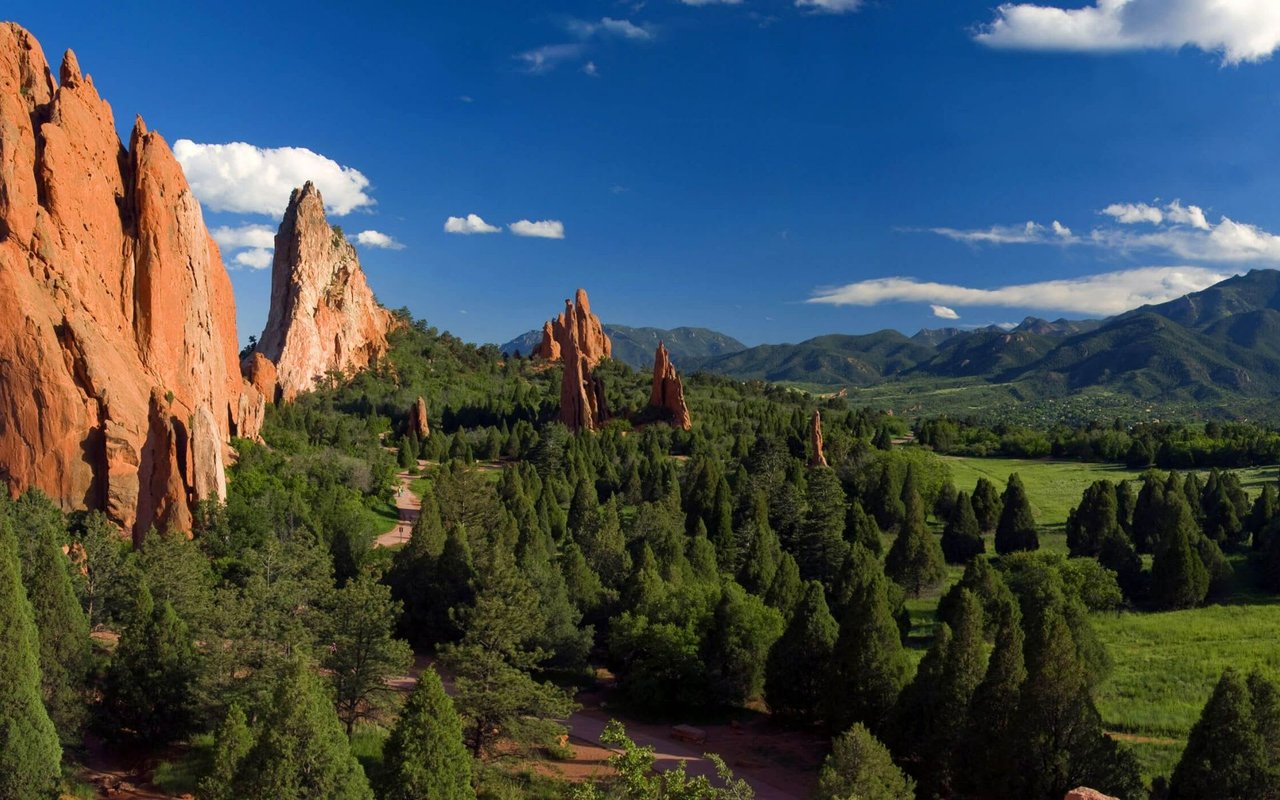
Boulder is nestled between the eye-catching sandstone slabs of the Flatirons. A little over 30 minutes to Denver, but still tucked in the foothills of the Rocky Mountains creates a magical and versatile town. Boulder has a quaint cityscape with many trails to wander, over 24 craft breweries, and of course, the historic Pearl Street where you can soak up nearly 300 sunshiny Colorado days. The City of Boulder now spans 25.8 square miles and is the home of over 107k residents with a median household income of $70k. With its year-round activities, outdoor space, skilled chefs, and lively breweries, it’s no surprise that it earned the title of the “Happiest City in the U.S.”
Boulder Community and Neighborhoods
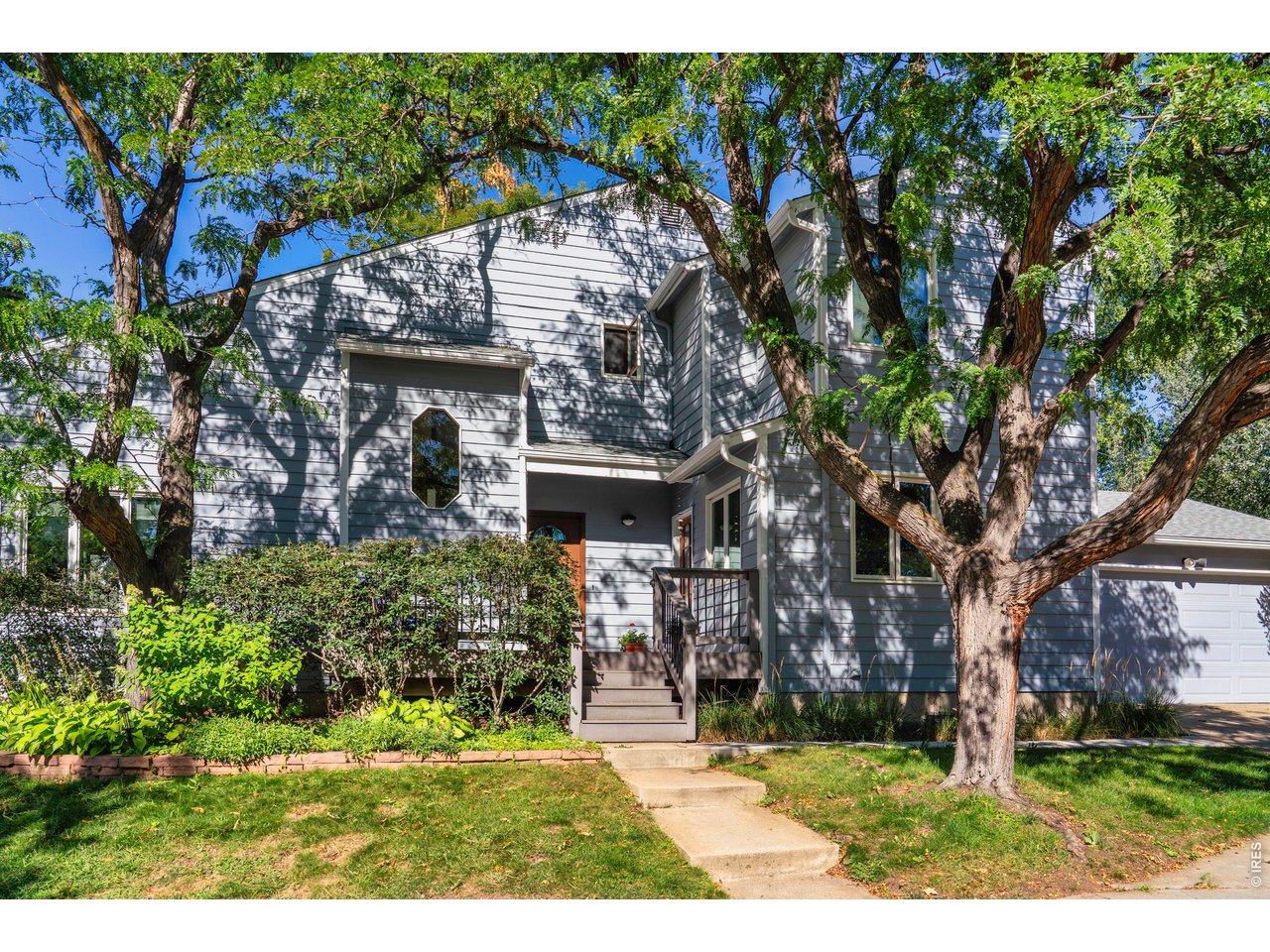
The University of Colorado Boulder, home to the Buffaloes, is located in the heart of the town and is adjacent to Chautauqua park. The University area houses many students and faculty both on and off campus. You won’t find many new communities in Boulder. The town is pretty built out, but there is a mix of housing options from new residential, single-family houses, multi-family houses, and rental living. Downtown Boulder and Pearl Street areas are in high demand due to the thriving shops and restaurant scenes. Mapleton Hill and Whittier neighborhoods are both in close proximity to the famous Pearl Street. South Boulder neighborhoods are also very popular because they have easy access to open space and Highway 36 to get to Denver.
Get Weekly Market Updates